BIOTECHNOLOGY Scientists Are Designing CRISPR Gene Editors With AI To make CRISPR better at its job, researche
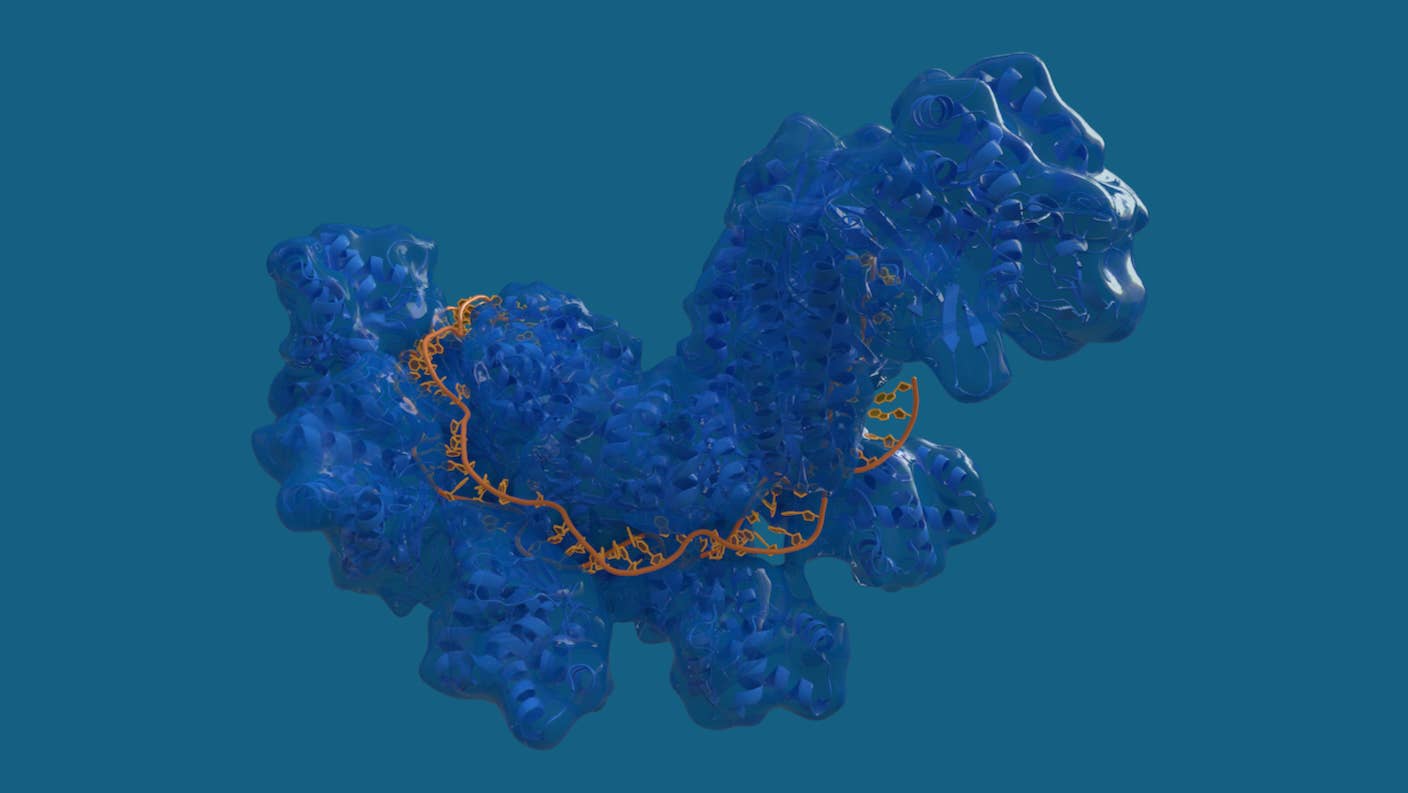
🧬 AI-designed CRISPR: smarter, safer gene editors
Researchers are using protein‑design AI (e.g., AlphaFold‑style models) to redesign CRISPR/Cas proteins so they edit genomes more efficiently and with fewer off‑target effects than natural enzymes. Early papers and news reports describe AI‑generated CRISPR variants that outperform native counterparts in lab tests and could widen therapeutic and agricultural uses [nature] [singularityhub].
🔎 Key points
- 🧠 AI-guided protein design: Models predict and design Cas protein sequences and structures to improve activity and specificity, speeding creation of novel editors beyond natural evolution [nature] [phys].
- ⚙️ Better performance and safety: Engineered enzymes show higher efficiency and reduced unintended cutting in cells, addressing a main barrier to clinical use [nature] [arstechnica].
- 🚀 Broad implications: AI‑designed molecular scissors can expand the CRISPR toolbox for medicine, biotech and agriculture, and were described in a new Science paper reported by major outlets [nature] [singularityhub].
👉 tl;dr: AI is rapidly producing redesigned CRISPR enzymes that work better and safer than natural ones, accelerating gene‑editing applications.
Follow-up Questions:
1. How do AI‑designed CRISPR variants compare across different cell types and organisms?
2. What experimental validation steps confirm reduced off‑target effects?
3. Which AI methods (structure prediction vs. sequence optimization) drove the biggest gains?
4. What safety and regulatory hurdles will these synthetic editors face?
5. Are any AI‑designed editors already in preclinical or clinical development?
Sources
- Scientists Are Designing CRISPR Gene Editors With AI
- Team uses AlphaFold AI to redesign gene-editing proteins to make them safer - Ars Technica
- CRISPR gets a power boost from AI-designed ‘molecular scissors’
- Design of highly functional genome editors by modelling CRISPR–Cas sequences | Nature
- AI‑designed gene‑editing enzymes expand the CRISPR toolbox
Related questions
- How do AI‑designed CRISPR variants compare across different cell types and organisms?
- What experimental validation steps confirm reduced off‑target effects?
- Which AI methods (structure prediction vs. sequence optimization) drove the biggest gains?
- What safety and regulatory hurdles will these synthetic editors face?
- Are any AI‑designed editors already in preclinical or clinical development?