COMPUTING Heat Is an Orbital Data Center’s Greatest Foe. These Tiles Dump It at the Source. Sophia Space and C
🛰️ Orbital Tiles That Dump AI Heat into Space
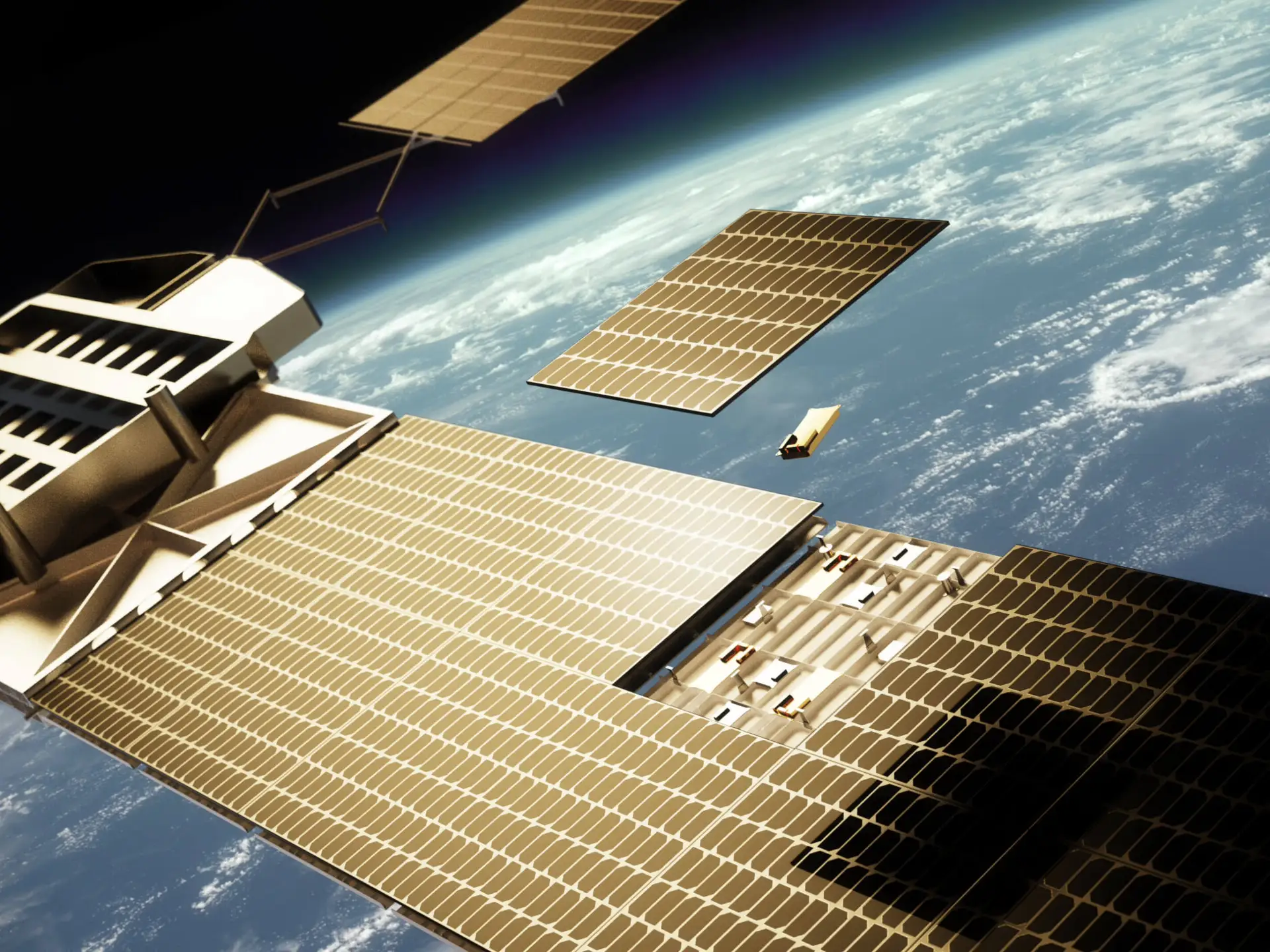
Sophia Space and Caltech patented one-meter “TILE” modules that integrate chips, solar cells and radiator surfaces so each tile generates power and passively radiates waste heat directly to space. The design aims to let scalable, modular data-center satellites run AI workloads with minimal active cooling or huge radiator booms. [spacenews] [geekwire]
🔎 Key Points
- 🔋 Integrated power + compute: Each TILE combines solar cells and compute electronics in a thin module to supply satellite CPUs/accelerators directly. [spacenews] [alumni]
- ♨️ Passive thermal radiation: Tiles are designed to radiate infrared heat to space at the source, avoiding large centralized radiators and active cooling systems. [singularityhub] [geekwire]
- 🧩 Modular, scalable architecture: The patent covers stackable, tiled arrays allowing many modules to form larger orbital data centers while keeping redundancy and incremental deployment. [spacenews] [alumni]
- ⚖️ Efficiency and constraints: Moving compute to LEO reduces terrestrial power/water impacts but trades that for launch mass, orbital thermal environment, and latency considerations. [singularityhub] [geekwire]
⚙️ What This Enables
- 🚀 Distributed orbital edge: Tiles could host edge AI services with local power and cooling in orbit, useful for space users and some terrestrial low-latency tasks. [spacenews] [singularityhub]
- ♻️ Lower ground footprint: Shifts electricity/heat burdens off Earth (e.g., local grid stress), but creates new supply-chain and regulatory questions for space infrastructure. [singularityhub] [alumni]
- 🧪 Next steps: Engineering validation, thermal testing in orbit-like conditions, and economics vs. terrestrial hyperscalers are the immediate hurdles. [geekwire] [spacenews]
👉 tl;dr: Sophia Space + Caltech patented thin, solar-powered TILE modules that integrate compute and passive radiators to dump AI heat straight into space, enabling modular orbital data centers but raising launch, thermal and policy trade-offs. [spacenews] [singularityhub]
Follow-up Questions:
1. What are the projected performance and power densities per TILE compared with terrestrial server racks?
2. How would latency and bandwidth limits affect typical AI workloads run from LEO?
3. What launch-cost and mass-reduction strategies are proposed for deploying large TILE arrays?
4. How do orbital debris and regulatory frameworks affect deployment of commercial data centers in LEO?
5. What failure modes and fault-tolerance designs are described for modular TILE arrays?
Sources
- Heat Is an Orbital Data Center's Greatest Foe. These Tiles Dump It at the Source.
- Sophia Space and Caltech claim patent for space data centers - SpaceNews
- Sophia Space and Caltech secure a patent for orbital data centers – GeekWire
- Caltech and Sophia Space Receive Patent for Passive-Cooling Orbital Data Centers | Caltech Alumni
- Sophia Tiles Convert Heat To Infrared Solving Cooling For Space Data Centers
Related questions
- What are the projected performance and power densities per TILE compared with terrestrial server racks?
- How would latency and bandwidth limits affect typical AI workloads run from LEO?
- What launch-cost and mass-reduction strategies are proposed for deploying large TILE arrays?
- How do orbital debris and regulatory frameworks affect deployment of commercial data centers in LEO?
- What failure modes and fault-tolerance designs are described for modular TILE arrays?