SPACE Orbital Data Centers Are Seductive on Paper, but They Face Daunting Challenges in Reality There's a vast
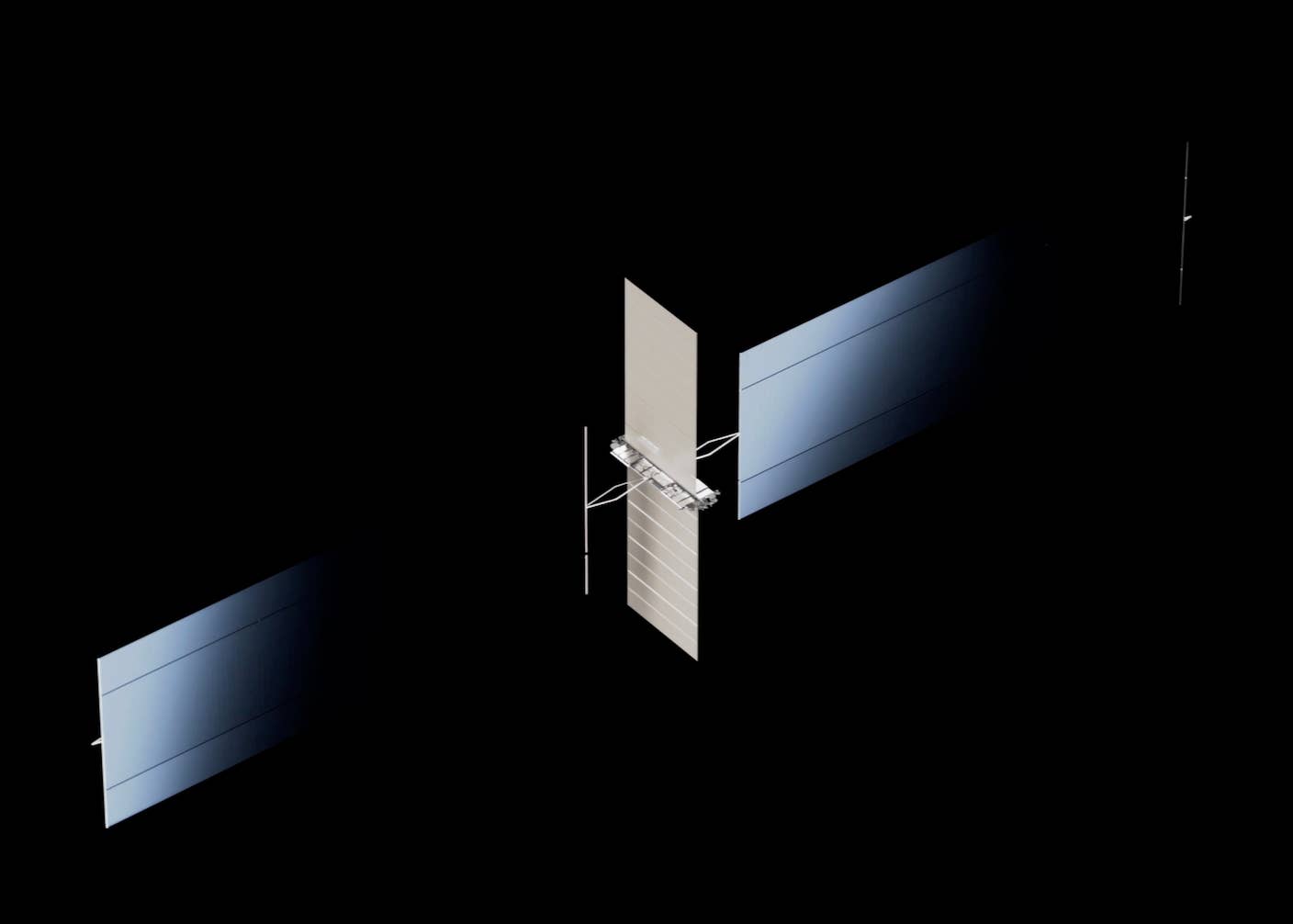
- Short answer: orbital data centers look attractive for latency to space assets, cooling, and regulatory arbitrage, but they face major technical, economic, and operational barriers that make industrial-scale cloud in orbit unlikely in the near term [nytimes], [ieee].
- Key challenges:
- Power and cooling: providing megawatt-class, continuous power and rejecting heat in vacuum is hard and mass/launch-costly (solar arrays, radiators, or nuclear options) [ieee].
- Launch and assembly costs + reliability: sending racks, spare parts, and maintenance crews is far more expensive and failure-prone than terrestrial datacenters; redundancy needs multiply mass and cost [nytimes].
- Radiation and hardware lifetime: space radiation causes higher failure rates and requires radiation-hardened (slower/expensive) components or frequent replacements, reducing economic viability [ieee].
- Networking and latency limits: ground-to-space and inter-satellite links add latency and limited bandwidth compared with fiber on Earth; real global cloud performance and large-volume data transfer remain constrained [nytimes].
- Operations and serviceability: on-orbit repairs, upgrades, and supply chains are complex; software can help, but physical maintenance remains a major blocker [ieee].
- Regulatory, security, and legal issues: spectrum, orbital debris mitigation, liability, and jurisdiction create additional complexity and long lead times [nytimes].
- Implication: niche use cases (satellite-edge processing, temporary compute for space missions, or highly specialized, mission-critical on-orbit processing) are plausible, but full-scale commercial cloud in orbit is not economically or technically mature yet [nytimes], [ieee].
Follow-up Questions:
1. Which specific onboard workloads make the most sense to move into orbit?
2. What technologies could most reduce launch and maintenance cost for orbital datacenters?
3. How do radiation-hardened processors compare to terrestrial hardware in performance and cost?
4. Are there current projects or startups actively building orbital compute infrastructure?
5. What regulatory steps would enable responsible deployment of on-orbit datacenters?
Related questions
- Which specific onboard workloads make the most sense to move into orbit?
- What technologies could most reduce launch and maintenance cost for orbital datacenters?
- How do radiation-hardened processors compare to terrestrial hardware in performance and cost?
- Are there current projects or startups actively building orbital compute infrastructure?
- What regulatory steps would enable responsible deployment of on-orbit datacenters?