BIOTECHNOLOGY CAR T Revolutionized How We Treat Blood Cancers. Now It’s Closing In on Solid Tumors. Separate t
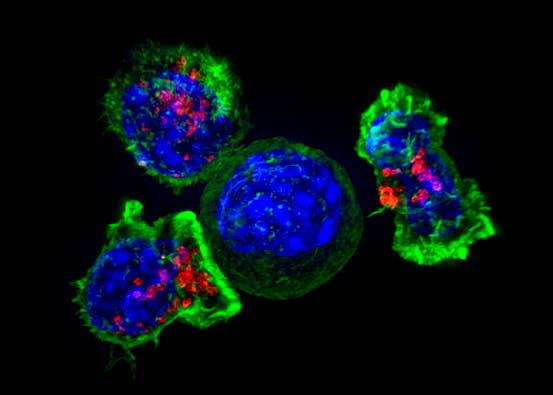
- CAR T, long successful in blood cancers, is now showing potent activity against solid tumors by targeting a protein called GPNMB; engineered CAR T cells nearly eliminated patient-derived tumors and extended survival in mice in preclinical tests [singularityhub].
- The work came from separate teams identifying the same target, enabling a two‑pronged approach that attacks both tumor cells and the stromal/shielding cells in the tumor microenvironment. This expands the strategy beyond blood cancers toward solid tumors, though clinical testing and overcoming microenvironmental barriers remain next steps [singularityhub; medicalxpress].
Follow-up Questions:
1. What is GPNMB and why is it a good CAR T target?
2. Are there ongoing clinical trials for GPNMB-targeted CAR T therapy?
3. What risks or side effects are expected with CAR T in solid tumors?
4. How does a two-pronged CAR T approach differ from existing CAR designs?
5. What timelines exist for translating these preclinical results to patients?
Sources
- CAR T Revolutionized How We Treat Blood Cancers. Now It’s Closing In on Solid Tumors.
- New approach could expand CAR T therapy from blood cancers to solid tumors
- Strengthening CAR-T therapy to work against solid tumors | ScienceDaily
- CAR T Cells: Engineering Immune Cells to Treat Cancer - NCI
- After Revolutionizing Blood Cancer Care, CAR-T Therapy Takes Aim at Solid Tumors
Related questions
- What is GPNMB and why is it a good CAR T target?
- Are there ongoing clinical trials for GPNMB-targeted CAR T therapy?
- What risks or side effects are expected with CAR T in solid tumors?
- How does a two-pronged CAR T approach differ from existing CAR designs?
- What timelines exist for translating these preclinical results to patients?