SPACE Spaceflight Nears Its Steamship Era Cambridge University researchers say launch costs fell from $87,000
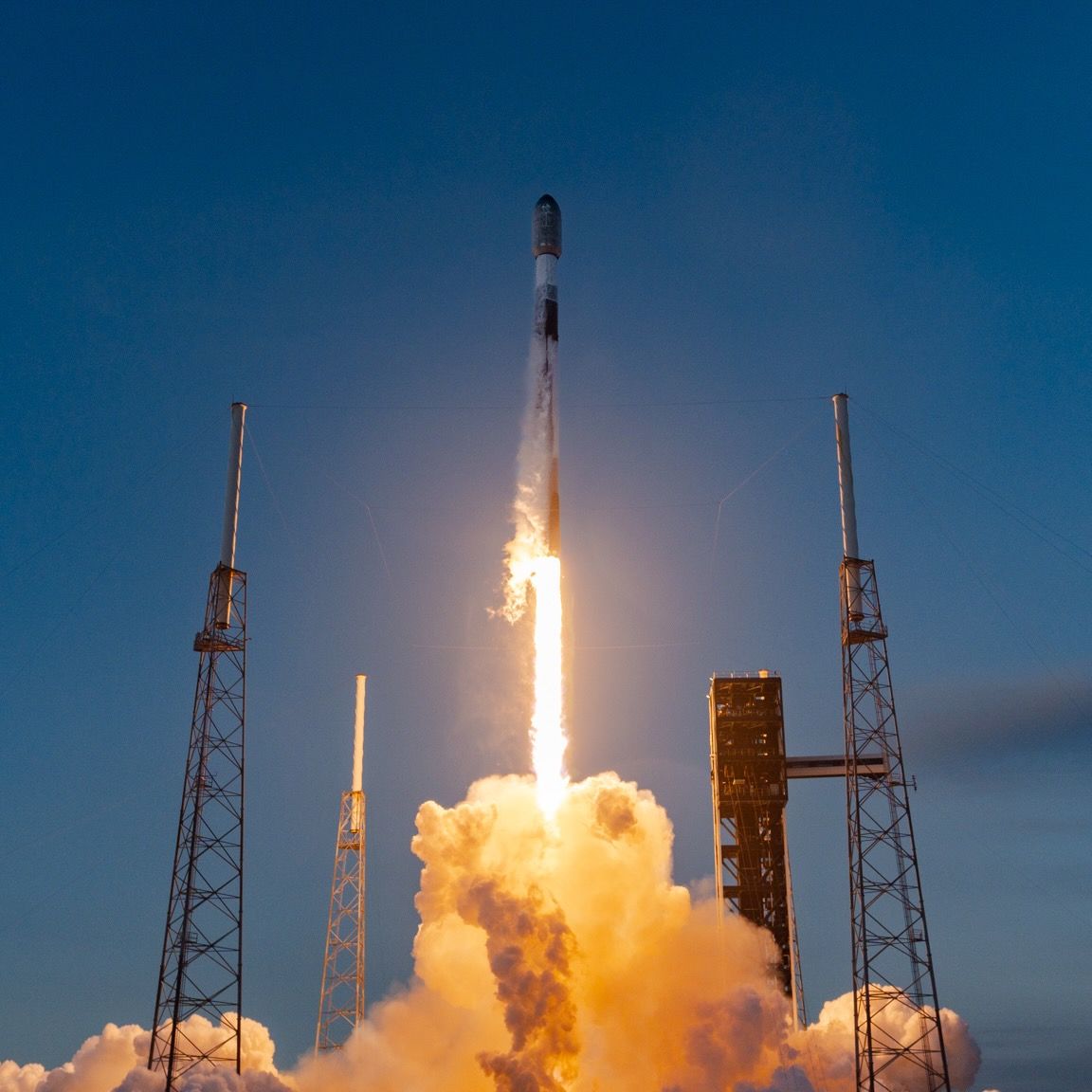
- Cambridge-led analysis reports the average cost to send 1 kg to low Earth orbit fell from $87,023 (1960) to $3,868 (2025) in 2024 USD — about a 96% drop [Space.com].
- The study projects further declines: roughly $1,569/kg by 2030 and potentially as low as $273/kg by 2040, transforming the economics of space cargo and enabling new industries [EurekAlert!].
Follow-up Questions:
1. How did the researchers calculate historical and projected costs?
2. Which technologies or business models drive the projected cost drops (reusability, mass production, rideshares, etc.)?
3. What markets or industries would become viable at $273/kg to LEO?
4. How confident are experts in the 2040 $273/kg estimate and what are major risks?
5. How do launch-cost trends differ between nations and commercial providers?
Sources
- Rocket launch costs have dropped 96% since 1960. How low can they go? | Space
- Space cargo costs could fall more than 90% by 2040, transforming the marketplace of space | EurekAlert!
- Space launch costs could fall 93% by 2040, opening orbit to new industries - The Brighter Side of News
- Rocket launch costs are falling faster than steamship freight did in the 1800s — and a new study of every orbital launch since 1960 finds that every time total cargo volume doubled, the price per kilogram fell by 21.2 per cent.
- Space launch costs to fall 90% by 2040, Cambridge study
Related questions
- How did the researchers calculate historical and projected costs?
- Which technologies or business models drive the projected cost drops (reusability, mass production, rideshares, etc.)?
- What markets or industries would become viable at $273/kg to LEO?
- How confident are experts in the 2040 $273/kg estimate and what are major risks?
- How do launch-cost trends differ between nations and commercial providers?