COMPUTING US Launches $215 Million Race to Build an Error-Corrected Quantum Computer by 2028 A government-fund
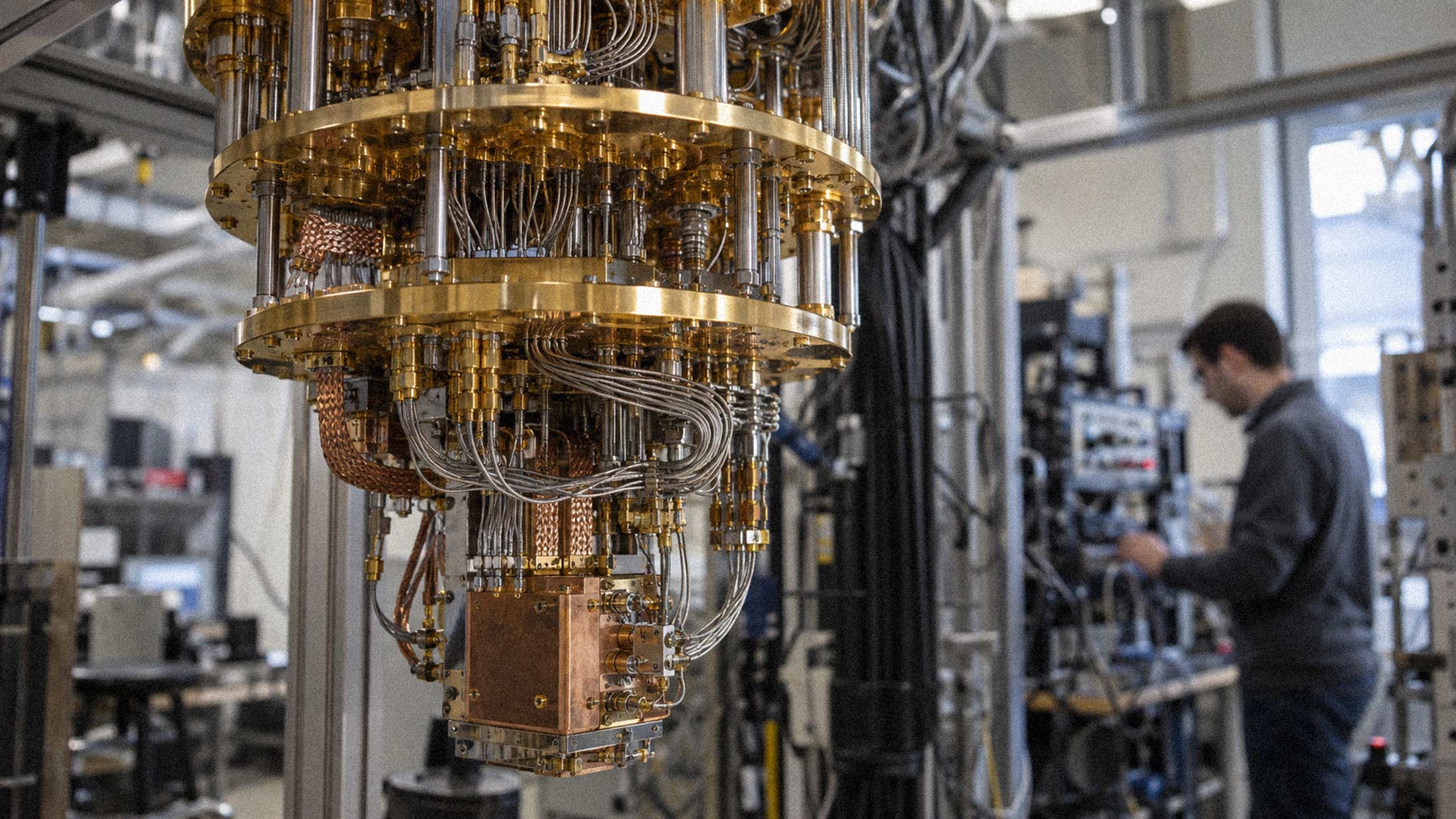
🚀 DOE $215M Race to a Fault‑Tolerant Quantum PC
The DOE has launched the Quantum Genesis Q Competition, offering up to $215 million to fund teams that demonstrate a fault‑tolerant, scientifically relevant quantum computer by targeted milestones starting 2026–2028. This is a prize-and-grant style program aiming to push past current noisy devices toward error‑corrected machines [energy] [science].
🔎 Key Facts
- 🧾 Program name & scope: Quantum Genesis Q Competition, up to $215M in planned funding to accelerate a fault‑tolerant, scientifically relevant quantum computer (SRQC) [energy] [science].
- 🕒 Timeline & milestones: Applicants submit proposals now; application deadlines and milestone demos are defined in the FOA (e.g., proposals due Oct 19, 2026) and the DOE expects rapid development toward demonstrations by 2028 [science] [nextgov].
- 🏁 Prize structure: Combines upfront awards and milestone prizes tied to delivering demonstrable, error‑corrected quantum advantage for scientific workloads that classical supercomputers can’t match [singularityhub] [theregister].
⚙️ How It Works & Why It Matters
- 🔬 Target: fault‑tolerance, not just qubit count — emphasis on error correction and scientifically relevant performance rather than raw qubit numbers [energy] [science].
- 💸 Mixed funding model — grants + competition prizes to de‑risk development and incentivize rapid demonstrations [science] [nextgov].
- 🌐 Domestic focus & urgency — aims to strengthen U.S. leadership in quantum computing with tight timelines and measurable milestones [nextgov] [singularityhub].
- ⚠️ Technical challenge — fault‑tolerant SRQCs remain unproven at scale; the competition accelerates but does not guarantee success by 2028 [theregister] [energy].
👉 tl;dr: The DOE’s $215M Quantum Genesis Q program is a prize‑plus‑grant push to produce an error‑corrected, scientifically useful quantum computer on an accelerated (~2028) timeline.
Follow-up Questions:
1. Which technical approaches (superconducting, trapped ions, topological, etc.) are eligible or prioritized?
2. What specific scientific benchmarks will count as “scientifically relevant” advantage?
3. How will intellectual property and data from awardees be handled?
4. What are the detailed milestone schedules and payout amounts in the FOA?
5. Which national labs or industry partners are expected to participate or lead consortia?
Sources
- DOE Launches Competition to Accelerate Development of World’s First Fault-Tolerant Quantum Computer | Department of Energy
- US Launches $215 Million Race to Build an Error-Corrected Quantum Computer by 2028
- Request for Application
- Energy launches quantum computer development competition - Nextgov/FCW
- DoE seeking fault-tolerant quantum computer ... by 2028
Related questions
- Which technical approaches (superconducting, trapped ions, topological, etc.) are eligible or prioritized?
- What specific scientific benchmarks will count as “scientifically relevant” advantage?
- How will intellectual property and data from awardees be handled?
- What are the detailed milestone schedules and payout amounts in the FOA?
- Which national labs or industry partners are expected to participate or lead consortia?