SPACE Spaceflight Nears Its Steamship Era Cambridge University researchers say launch costs fell from $87,000
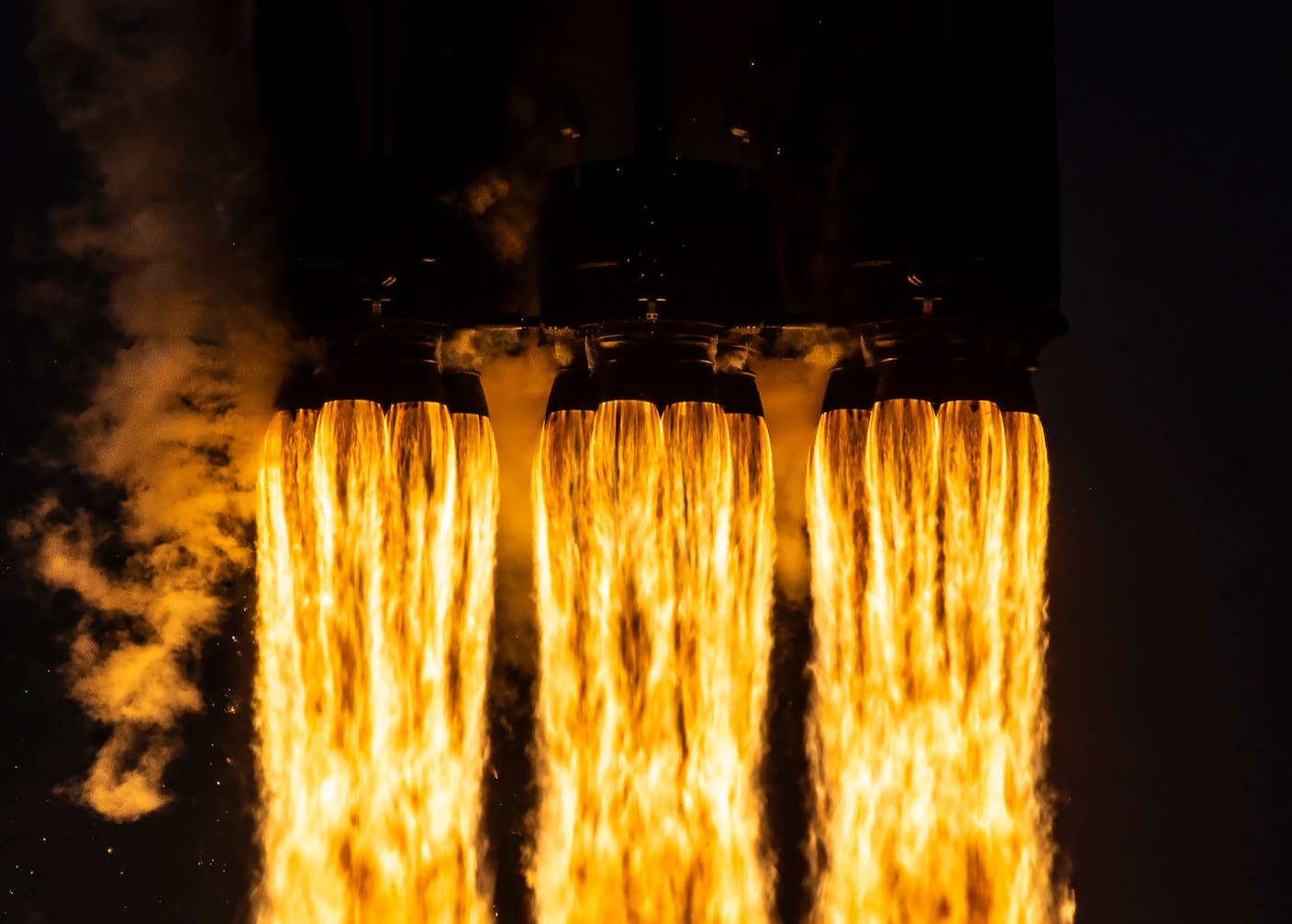
- Summary: Cambridge researchers report the average cost to send 1 kg to low Earth orbit fell from about $87,023 in 1960 to $3,868 in 2025 (~96% reduction) and project costs could drop to ~$1,569 by 2030 and as low as $273 by 2040 [space][eurekalert].
Follow-up Questions:
1. What assumptions and methods underpin the Cambridge study’s cost forecasts?
2. Which technologies or business changes would drive costs to $273/kg by 2040?
3. How do reusable launchers vs. expendable rockets factor into the decline?
4. What would $273/kg mean for commercial sectors (e.g., manufacturing, tourism, mining)?
5. How reliable are historical cost estimates and how do they account for inflation/quality of payloads?
Sources
- Spaceflight Nears Its Steamship Era
- Rocket launch costs are falling faster than steamship freight did in the 1800s — and a new study of every orbital launch since 1960 finds that every time total cargo volume doubled, the price per kilogram fell by 21.2 per cent.
- Rocket launch costs have dropped 96% since 1960. How low can they go? | Space
- Space launch costs to fall 90% by 2040, Cambridge study
- Space cargo costs could fall more than 90% by 2040, transforming the marketplace of space | EurekAlert!
Related questions
- What assumptions and methods underpin the Cambridge study’s cost forecasts?
- Which technologies or business changes would drive costs to $273/kg by 2040?
- How do reusable launchers vs. expendable rockets factor into the decline?
- What would $273/kg mean for commercial sectors (e.g., manufacturing, tourism, mining)?
- How reliable are historical cost estimates and how do they account for inflation/quality of payloads?